
This guide helps them decide when general pest control is enough and when a termite specialist in Sydney is the safer call.
What’s the difference between a termite specialist and general pest control?
A termite specialist Sydney focuses on termite inspections, detection, treatment, and long-term prevention. General pest control typically targets common pests like cockroaches, ants, spiders, rodents, and occasional invaders.
Termites often require specialised tools, building knowledge, and a treatment plan that accounts for how they move through timber and hidden voids. A termite specialist Sydney will usually provide a more thorough and targeted approach, while general services may not include termite work at all, or may treat it as an add-on with limited scope.
When is general pest control enough?
General pest control is usually enough when the issue is clearly not termites and the damage risk is low. For example, visible ants in the kitchen, German cockroaches, silverfish, fleas, or spiders are typically handled well by a general technician.
It also suits routine preventative sprays for households that want broad protection. If they only want to reduce everyday pests and there are no timber risk signs, a general service is often appropriate.
When do they need a termite specialist in Sydney?
They should choose a termite specialist when termites are suspected, confirmed, or the property has elevated risk. Termites can cause expensive structural damage while staying hidden, so delays matter.
A specialist is the right choice if they notice mud tubes, hollow sounding timber, papery timber damage, discarded wings near windows, or unexplained bubbling paint. It is also smart when buying a home, renovating, or managing a rental with timber features.
Can general pest control treat termites properly?
Sometimes, but it depends on what the company offers and who attends the job. Many general pest control visits are not designed for termite detection, and a standard spray does not solve a termite colony problem.
Termite management often involves a dedicated inspection, mapping activity, selecting the right method, and monitoring. If they want full termite protection, they should confirm the provider is licensed and experienced in termite work, not just general spraying.
What does a termite specialist inspection usually include?
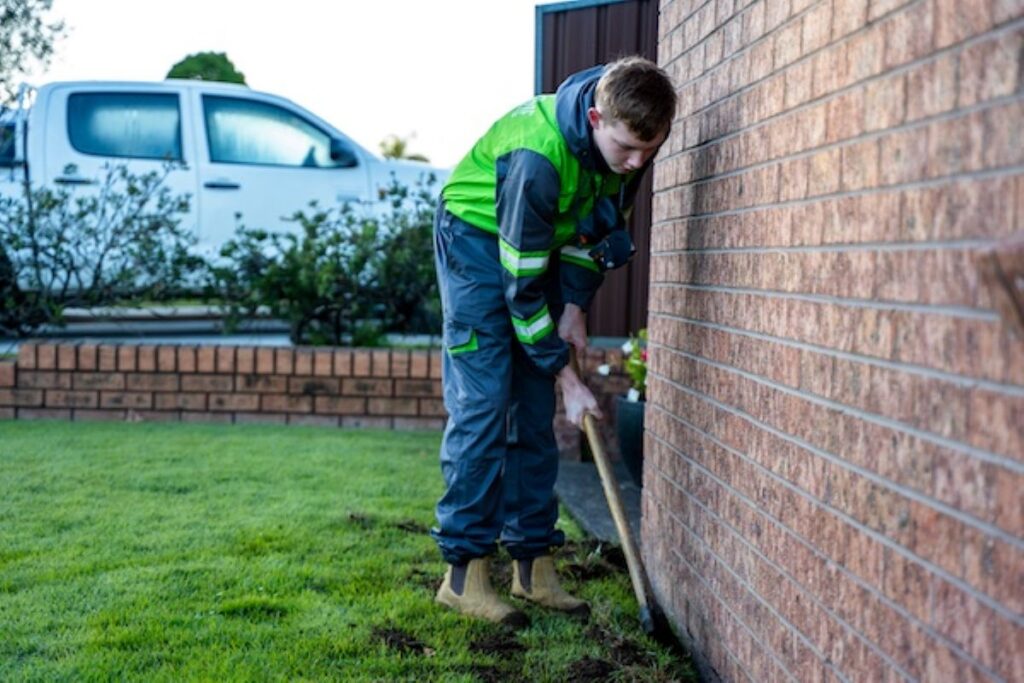
A termite inspection is designed to find activity that is not obvious. A specialist typically checks subfloors, roof voids, timber edges, weep holes, garden beds against walls, and moisture prone areas.
They may use moisture meters, sounding tools, and other detection equipment to identify risk zones. The outcome is usually a written report with findings, risk factors, and clear recommendations.
Which treatment options are typical for termite specialists?
Specialists usually select treatments based on the termite type, access, and building layout. Common options include chemical barriers, baiting systems, and targeted dusting or foam applications in specific situations.
A key difference is that termite treatment is not just about killing what they can see. It is about eliminating or controlling the colony and reducing reinfestation risk with an ongoing plan.
How do they decide quickly which service to book?
If they are unsure, the safest rule is simple. If there is any chance it is termites, they should book a termite inspection first, not a general spray.
If the problem is clearly a general pest issue with no timber damage signs, a general pest control visit is fine. When in doubt, they can ask the provider directly whether the booking includes a termite inspection and a termite management plan. You may like to visit https://peakleadsolutions.com/installing-termite-barrier-sydney/ to learn more about whether installing a termite barrier in Sydney is the best preventative option.
What risks come from choosing the wrong option?
The main risk is treating termites like a surface pest. Termites can remain active behind walls or under floors while the visible signs disappear temporarily.
That creates a false sense of security and can allow damage to continue. Choosing a specialist early often reduces long term repair costs because they focus on detection, colony control, and monitoring rather than quick knockdown.
How often should they schedule termite inspections in Sydney?
Most properties benefit from regular termite inspections, especially in termite prone areas. Many owners schedule annually, while higher risk homes may need checks more often based on the report.
Risk increases with moisture issues, garden beds against walls, stored timber, poor subfloor ventilation, and older homes with timber elements. A specialist can advise the best interval after assessing the site.
What should they ask before hiring a termite specialist or pest controller?
They should ask what the service includes, what methods they use, and whether they provide a written report. They should also ask about licensing, insurance, and experience with Sydney termite pressures.
For termite work, they should ask whether the plan includes monitoring or follow up visits. A clear scope and transparent pricing helps them avoid paying for a generic service that does not address the real risk.
What’s the simplest takeaway for Sydney property owners?
General pest control suits common household pests and routine prevention. If termites are suspected or the property is high risk, a termite specialist in Sydney is the better choice because termite management needs dedicated inspection, targeted treatment, and ongoing protection.
When they are unsure, booking a termite inspection first is usually the safest step.
Related : Termites | City of Ryde
FAQs (Frequently Asked Questions)
What is the difference between a termite specialist and general pest control in Sydney?
A termite specialist in Sydney focuses specifically on termite inspections, detection, treatment, and long-term prevention using specialised tools and knowledge about termite behavior. General pest control typically targets common pests like cockroaches, ants, spiders, and rodents and may not include comprehensive termite services or only offer limited add-ons.
When is general pest control sufficient for pest issues in Sydney homes?
General pest control is usually enough when the pest issue clearly does not involve termites and the damage risk is low. Examples include visible ants, German cockroaches, silverfish, fleas, or spiders. It also suits routine preventative sprays for broad protection when there are no signs of timber risk or termite activity.
When should Sydney property owners call a termite specialist instead of booking general pest control?
They should choose a termite specialist if termites are suspected or confirmed, or if the property has elevated risk factors such as mud tubes, hollow-sounding timber, papery timber damage, discarded wings near windows, or unexplained bubbling paint. It’s also wise during home buying, renovations, or rental management involving timber features.
Can general pest control services properly treat termites in Sydney homes?
Sometimes general pest control companies can treat termites depending on their expertise and licensing; however, many general visits are not designed for thorough termite detection or colony elimination. Effective termite management requires dedicated inspection, mapping activity, selecting appropriate methods, and ongoing monitoring by licensed specialists.
What does a typical termite inspection by a specialist in Sydney include?
A termite specialist’s inspection involves checking hidden areas such as subfloors, roof voids, timber edges, weep holes, garden beds against walls, and moisture-prone spots. They use tools like moisture meters and sounding devices to detect risks and provide a written report outlining findings and recommendations.
How often should properties in Sydney schedule termite inspections?
Regular termite inspections are recommended annually for most properties in Sydney’s termite-prone areas. Higher-risk homes with moisture issues, garden beds against walls, stored timber nearby, poor ventilation under floors, or older timber structures may require more frequent checks as advised by a specialist after site assessment.
Related Posts
Is Installing a Termite Barrier Sydney the Best Preventative Option?
A termite barrier is not a one and done solution,…