
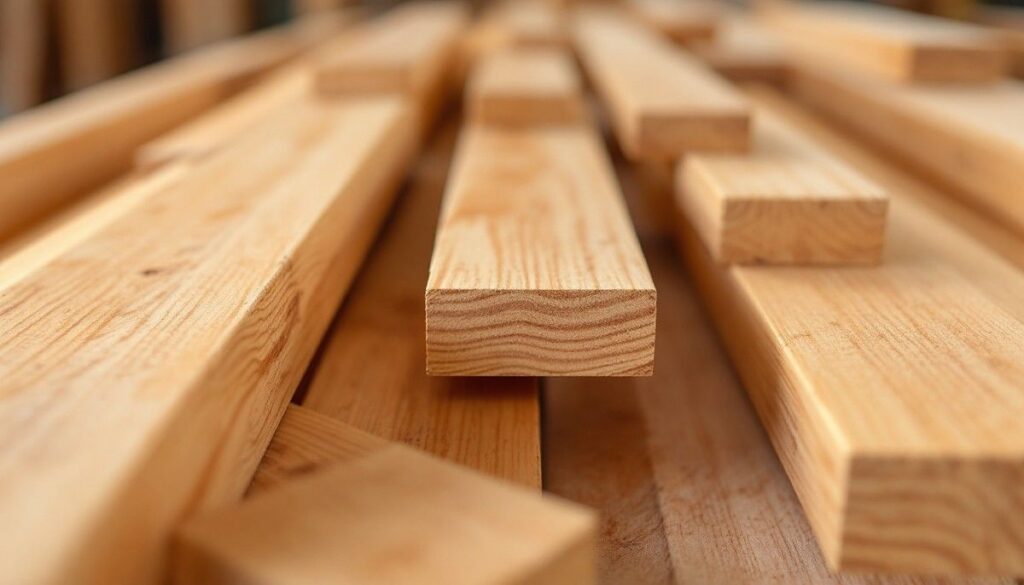
LVL is engineered wood made from thin wood veneers bonded with adhesives under heat and pressure. Because it is manufactured to tight tolerances, it tends to be straighter and more consistent than sawn lumber, which helps when they need reliable performance in structural applications.
What is the beam actually being used for?
They should start by defining the application because a floor beam, roof beam, ridge beam, and door or window header behave differently. The load type and where it comes from changes the required capacity and deflection limits.
A quick way to clarify the role is to note what the beam supports (joists, rafters, trusses, wall loads), what direction framing bears, and whether the beam is interior or exterior. That single description often determines which tables, assumptions, and checks apply.
What span and support conditions are they working with?
They need the clear span and the bearing conditions at each end before sizing anything. A beam with full bearing on studs or posts performs differently than one hung with connectors or sitting on a narrow ledge.
They should also confirm whether the beam is simply supported or continuous over multiple supports. Continuity can reduce peak moments, but it adds complexity, and the manufacturer’s tables may not apply without engineering input.
What loads must the LVL beam carry?
They should identify dead loads (self-weight plus permanent materials) and live loads (occupancy, snow, storage, construction loads). For roofs, snow and wind uplift can matter; for floors, live load usually controls.
If they are unsure, the safest route is to use local code minimums and verify any unusual conditions such as tile floors, masonry veneers, heavy countertops, solar panels, or point loads from posts. Missing a concentrated load is one of the fastest ways to under-size a beam.
What deflection limit is acceptable for the project?
They should pick deflection criteria early because “strong enough” is not the same as “stiff enough.” LVL beam that meet bending stress limits can still feel bouncy if deflection is not controlled.
Typical checks include total load deflection and live load deflection, often expressed as L/360, L/480, or stricter depending on finishes and expectations. For example, brittle finishes like tile and long open spaces often need tighter stiffness targets.
Which LVL grade and manufacturer specs should they use?
They should size from the specific manufacturer’s design values and span tables because LVL properties vary by brand, depth series, and grade. One product’s allowable bending stress and modulus of elasticity may not match another’s, even if they look similar.
They should also confirm the product standard and the stamped identification on the beam. If the beam is not clearly identified, they should not assume it matches the table they are using.
How do they choose beam depth versus beam width?
They usually get more stiffness by increasing depth rather than width. If they are fighting deflection, a deeper LVL is often the cleanest solution, assuming there is room in the floor or roof assembly.
Width becomes important when they need higher bending capacity, better bearing area, or when the beam is built up from multiple plies. They should also remember that wider beams can be harder to integrate at flush conditions and may require wider posts or multi-stud packs.
Do they need a built-up LVL or a single-piece member?
They should choose a single-piece LVL when possible because it simplifies installation and reduces the chance of gaps between plies. But built-up beams are common when they need more width, when handling constraints exist, or when supply limits single-piece sizes.
If they use multiple plies, they should follow fastening schedules for nailing or bolting so the plies act together. Without proper fastening, the assembly may not perform like the intended composite section.
Is bearing length and crushing at supports being checked?
They need enough bearing length at each support so the LVL does not crush the wood beneath it, and the support does not split or buckle. Bearing is often overlooked because the beam “looks” adequate while the support is undersized.
They should verify that the post, stud pack, or wall below is sized for the reaction loads and that the load path continues to foundation. A strong beam over a weak post is still a weak system.
Are connections and lateral restraint addressed?
They should plan connectors early, especially for flush beams hung with joist hangers, ridge beams with rafter connections, and beams resisting uplift. Hardware must be rated for the loads and compatible with treated wood if present.
They should also ensure the beam is laterally braced where required. Compression edges can buckle sideways if not restrained, so details like blocking, joist framing, or sheathing attachment can be structural, not just cosmetic.
Will moisture, treatment, or fire exposure affect the selection?
They should match the LVL to the environment. For exterior or high-moisture areas, they may need a product rated for higher exposure, and they should follow manufacturer rules for sealing cuts and protecting edges.
If treatment is required, they should confirm the LVL is approved for the specific preservative system. For fire resistance, they may need gypsum protection, a rated assembly, or an oversized member to account for char, depending on local requirements and design approach.
When should they involve a structural engineer?
They should involve an engineer when spans are long, loads are unusual, point loads exist, or when the beam supports other beams or concentrated framing. Anything outside prescriptive tables, including continuous beams, cantilevers, and heavily loaded openings, is a strong signal.
They should also seek engineering when the project involves changes to bearing walls, complex remodels, or uncertain load paths. A short review can prevent expensive rework and reduce the risk of overbuilding.
Other Resources : What is a Structural Engineer? Everything You Need to Know
What’s a practical step-by-step way to select the right LVL?
They can keep the process simple: define use, confirm span and supports, calculate loads, set deflection limits, then size using the correct manufacturer tables or software. After that, they should check bearing, connections, and bracing as part of the same decision.
Finally, they should verify availability and installation constraints. The “right” LVL is the one that meets structural requirements, fits the framing, can be installed correctly, and matches the exact product data used to size it.
More to Read : Formwork Plywood: 5 Mistakes That Increase Concrete Defects
FAQs (Frequently Asked Questions)
What factors are most important when selecting the right LVL beam?
Selecting the right LVL (laminated veneer lumber) beam primarily involves matching loads, spans, and support conditions to the correct size and grade. Getting these three factors right ensures that the LVL beam performs predictably and reliably for applications like floors, roofs, headers, and long clear openings.
How does the application of an LVL beam affect its selection?
The intended use of the LVL beam—whether as a floor beam, roof beam, ridge beam, or door/window header—affects load types and deflection limits. Understanding what the beam supports, the direction of framing bearing, and whether it is interior or exterior helps determine applicable design tables and assumptions.
Why is it important to know span and support conditions before sizing an LVL beam?
Knowing the clear span and bearing conditions at each end is crucial because beams with full bearing on studs or posts behave differently than those hung with connectors or resting on narrow ledges. Additionally, whether a beam is simply supported or continuous over multiple supports influences peak moments and may require engineering input beyond manufacturer tables.
What loads should be considered when designing with LVL beams?
Designers must account for dead loads (self-weight plus permanent materials) and live loads (occupancy, snow, storage). Roof beams may also need to consider snow and wind uplift. Using local code minimums as a baseline and verifying any unusual concentrated loads—such as heavy countertops or solar panels—is critical to avoid under-sizing.
How do deflection limits impact LVL beam selection?
Deflection criteria should be established early since a beam can meet bending stress limits yet still feel bouncy if deflection isn’t controlled. Typical deflection checks include total load deflection and live load deflection expressed as ratios like L/360 or L/480. Tighter stiffness requirements apply for brittle finishes like tile or long open spans.
When should a structural engineer be involved in selecting an LVL beam?
Involvement of a structural engineer is recommended when dealing with long spans, unusual or concentrated loads, continuous beams, cantilevers, heavily loaded openings, or when supporting other beams. Complex remodels or uncertain load paths also warrant engineering review to ensure safety and prevent costly rework.